

Blog

HER. Portraits of Women, from Van Gogh to Modigliani and Beyond": the exhibition in Parma
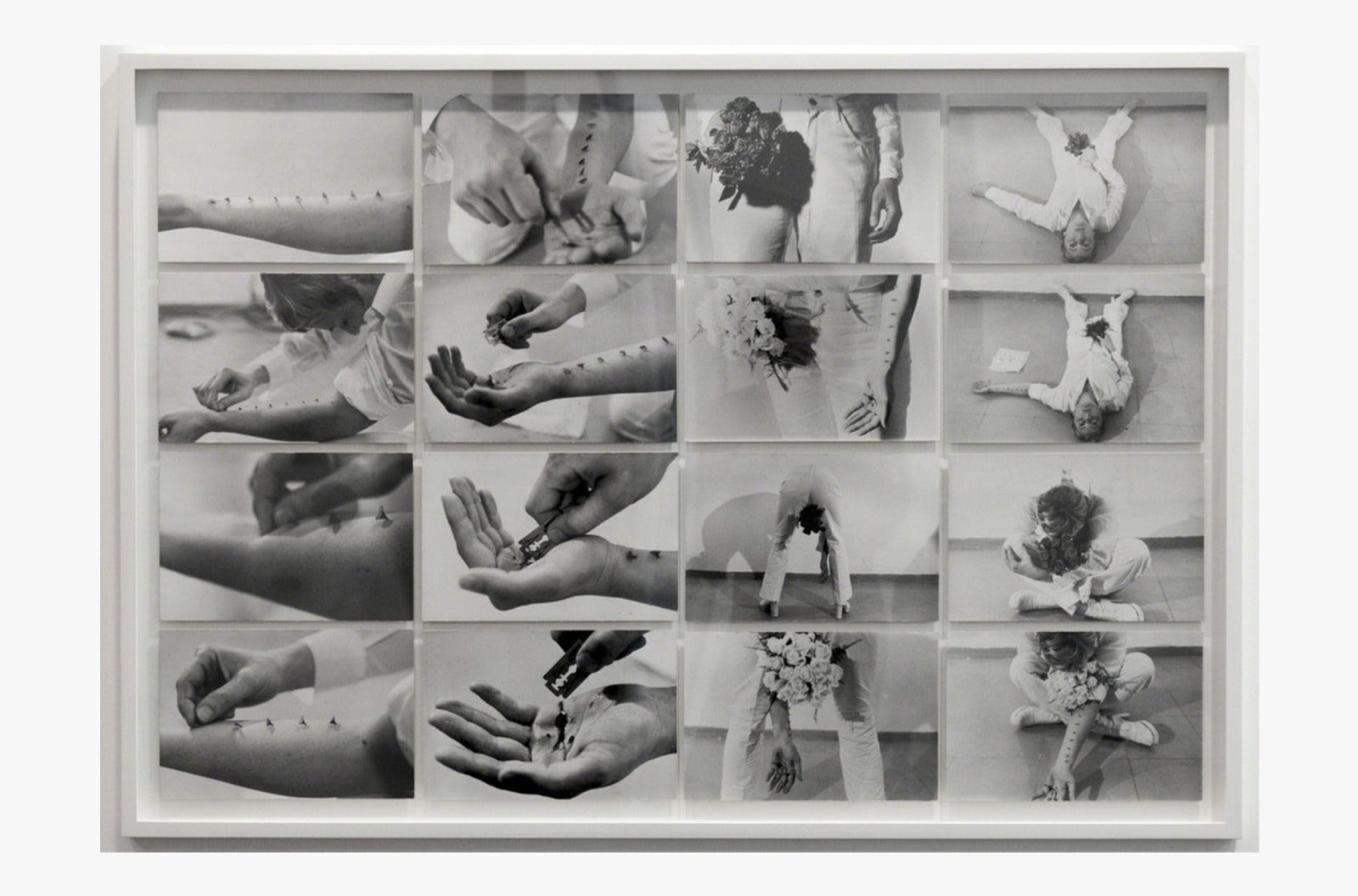
At the Palazzo del Governatore, a journey through the representation of women invites us to reflect on the distance between visibility and recognition. Images do not merely represent the world: they help shape the way we see it. A female portrait can preserve a likeness, celebrate a presence, or pass down the memory of a person. It can also express an ideal of beauty or assign the woman depicted a specific role. Being at the center of a work, however, has not always meant being recognized in one’s autonomy. It is from this distance between visibility and recognition that we can set out to approach “LEI. Portraits of Women, from Van Gogh to Modigliani and Beyond”, the exhibition at Parma’s Palazzo del Governatore, open from October 2, 2026, to March 8, 2027. An opportunity to observe the works and question the gaze that traverses them: who is the woman depicted? How much do we know of her story? And what cultural expectations helped shape her image? The LEI Exhibition at Parma’s Palazzo del Governatore Curated by Renata Cristina Mazzantini and Cesare Biasini Selvaggi, the exhibition brings together works from the collections of Rome’s Galleria Nazionale d’Arte Moderna e Contemporanea. Paintings, sculptures, drawings, photographs, and tapestries comprise a journey through over two centuries of female representation. Among the works on display are Vincent van Gogh’s L’Arlésienne, Giovanni Boldini’s Portrait of Marchioness Casati, and Amedeo Modigliani’s portrait of Hanka Zborowska. The exhibition also includes works by artists such as Antonietta Raphaël Mafai, Dora Maar, and Francesca Woodman, broadening the dialogue between different artistic languages and experiences. This variety allows us to observe how the meaning of a female presence can change: a figure can be recognizable in her individuality, assume a symbolic value, or become the subject of an exploration of form and the body. Visible, but with what voice? For centuries, women have inhabited images as models, muses, mythological figures, allegories, and the subjects of portraits. This presence requires us to read the work while distinguishing the woman’s centrality in the artwork from the concrete conditions of the person depicted. A painting can accord great importance to a face without revealing the desires, choices, or possibilities of the person who owns it. It can celebrate a woman while simultaneously reducing her to a shared model: beauty, motherhood, respectability, seduction. This does not mean reading every portrait as a denial of individuality. It means recognizing that celebration and idealization can coexist. The artistic quality of an image and the cultural conventions it expresses belong to the same story and can be observed together. What do a pose, an outfit, or a gaze tell us? A portrait takes shape through precise decisions. The position of the body, the tilt of the head, the direction of the eyes, and the objects in the scene all help shape the meaning of the image. An outfit can declare a social position; a setting can suggest belonging and habits; a gaze directed at the viewer can establish a direct connection. Even a seemingly spontaneous pose is the result of a compositional choice. These elements acquire meaning within the context in which the work was created. It would be reductive to automatically attribute reserve to a figure with downcast eyes or independence to a woman looking directly at us. We must consider the painting’s intended purpose, its patron, the conventions of the period, and, when possible, the biography of the person depicted. The question then becomes: how much are we observing that woman, and how much are we recognizing an idea of femininity constructed around her? The Person Beyond the Representation A painted face can convey an impression of familiarity. We may think we recognize a character, a vulnerability, or a determination. Yet what we see remains an interpretation. Color, light, and brushwork guide our perception. An accentuated feature, an altered proportion, or a background devoid of reference points can distance the portrait from description and open it up to different meanings. The person portrayed never entirely corresponds to the image created of her. Remembering this allows us to maintain a space of attention for what the painting cannot tell us. An absorbed expression may suggest many interpretations, but it does not, on its own, authorize us to reconstruct an inner life. When Women Are the Artists The reflection broadens when women also take on the role of creators of images. Through portraiture, self-portraiture, and the representation of the body, artists can confront the models they have received, adopt them, transform them, or challenge them. However, there is no single female gaze. There are different experiences, perspectives, and inquiries. Attributing a common sensibility to all women artists would risk diminishing the very plurality we wish to recognize. Observing who creates an image therefore helps us ask more questions: What experience informs the work? What relationship is established with the subject? What possibilities of representation are explored? The Significance of the Exhibition on the Anniversary of Women’s Suffrage The exhibition coincides with the eightieth anniversary of women’s suffrage in Italy. The official presentation of the catalogue links the representation of women to the themes of identity and self-determination. This context offers another key to interpretation: distinguishing aesthetic recognition from social and political recognition. Being admired, celebrated, or remembered through a work of art does not necessarily correspond to the ability to choose how to live and how to present oneself to the world. Visiting LEI can thus become an exercise in looking. Alongside the beauty of the works, we can search for the stories of the people, recognize the conventions, and accept the questions that remain open. What space is granted, within the image, to the individuality of the woman depicted? LEI in Parma: Information for Visiting the Exhibition Exhibition: LEI. Portraits of Women, from Van Gogh to Modigliani and Beyond. Masterpieces from the Galleria Nazionale d’Arte Moderna e ContemporaneaVenue: Palazzo del Governatore, ParmaDates: October 2, 2026, to March 8, 2027Curators: Renata Cristina Mazzantini and Cesare Biasini Selvaggi. For opening hours, tickets, and special openings, visit the official exhibition page on the Parma City Council website.

Should you clean or restore a painting before selling it? What to consider
Cleaning, conservation issues, and sale: the checks to perform and questions to ask before authorizing work on your painting.

Numbered prints: edition, signature, and artist’s proofs prior to purchase
How to read the numbering on a print, distinguish between techniques, and ask about the signature, documentation, and condition before purchasing.

Proposing an exhibition: how to prepare a dossier with artworks, project, and budget
A practical guide for artists: organizing the exhibition proposal, selecting the works, and clarifying timelines, costs, and space requirements.

Mario Lupo exhibition in San Benedetto del Tronto: MARE ALTRO opens
The Mario Lupo exhibition in San Benedetto del Tronto opens on Saturday, October 24, 2026, at 5:00 p.m. at the Palazzina Azzurra. Titled MARE ALTRO, the exhibition presents previously unpublished works and lesser-known aspects of the artist's production. Admission is free, and the exhibition will be open until January 31, 2027. The event concludes the exhibition trilogy LUPO100 – Mario Lupo Centenary 1926–2026, a journey that links Giulianova, Ancona, and San Benedetto del Tronto through the places of the artist's origins, training, and maturity. MARE ALTRO: what to see at the exhibition at the Palazzina Azzurra For many, Mario Lupo is the painter of the sea, seagulls, waiting women, and wind-bent olive trees. MARE ALTRO expands this image, drawing attention to the diversity of his research. Alongside painting and sculpture, the exhibition features glass creations, jewelry, and theatrical sets, offering an opportunity to discover an artist capable of working across different materials and languages. The unpublished works and little-known pieces thus become a starting point for re-examining his creative personality. For those who already appreciate Lupo, it is an opportunity for deeper exploration; for those discovering him now, an introduction to the richness of his expressive universe. The opening on October 24 with Claudio Strinati The opening of MARE ALTRO, scheduled for the Palazzina Azzurra on October 24 at 5:00 p.m., will be accompanied by a lectio magistralis by art historian Claudio Strinati, dedicated to the work of Mario Lupo. The LUPO100 project catalog will also be presented, a 340-page publication with editorial and graphic design by Franco Mercuri. The program will also include the dance performance Metamorfosi di Linfa, a tribute to the artist's artistic legacy. Mario Lupo's centenary, from Giulianova to San Benedetto del Tronto After MARE PRIMO in Giulianova, the artist's hometown, and MARE TUTTO in Ancona, the place of his training, the trilogy reaches San Benedetto del Tronto: a city deeply connected to his artistic and personal maturity. The project is promoted and organized by Endeca | Agitatore Culturale ETS, based on an idea by Maristella Lupo, with curatorial direction by Nunzio Giustozzi, Marino Capretti, and Rosalba Rossi. An itinerary that allows visitors to rediscover the artist through his works and his relationship with the territories that marked his path. Mario Lupo exhibition: dates, venue, and admission Title: MARE ALTRO — LUPO100, Mario Lupo Centenary 1926–2026Venue: Palazzina Azzurra, San Benedetto del TrontoOpening: Saturday, October 24, 2026, 5:00 p.m.Exhibition dates: October 24, 2026, to January 31, 2027Admission: free The event at the Palazzina Azzurra offers an opportunity to discover a lesser-known side of Mario Lupo and the diversity of his artistic production.

Artistic coefficient and ArtistRating: how to evaluate a work by a living artist
The formula (base + height) × coefficient and the role of VendereQuadri's ArtistRating in interpreting the careers of living artists.

Communication for artists: how to talk about your work clearly
A practical guide to making your portfolio, texts, and digital channels consistent, helping the public learn about your research.

I have paintings to sell: how to organize the artworks before the appraisal
A practical method for organizing photographs, information, and documents for multiple paintings and preparing an initial valuation request without confusing the artworks.

Buying a painting with a set budget: what to check before choosing
A guide to comparing artworks, information, and the total cost, and navigating the price range selections on VendereQuadri.

How to photograph a painting to request an appraisal: a practical guide
Front, back, signature and documents: how to prepare useful images for an initial assessment, even with a smartphone.

Art Market 2026: Beyond Records, What to Know Before Selling a Work
A work is sold at auction for a staggering sum. The artist’s name is the same as the one on the painting you own. It is only natural to wonder whether this result can help you determine the value of yours. Auction results are useful benchmarks, but they must be considered carefully: an exceptional sale tells the story of a particular work sold in a specific context. To make it a reliable comparison, you need to understand how relevant that sale is to your own case. The Artprice 2026 report on the contemporary art market offers an opportunity to explore this issue: what do market data tell us, and how can we interpret them when we want to sell a work? What emerges from the Artprice 2026 report According to Artprice, during the period analyzed, the number of contemporary works sold at auction grew by 9%, while the overall value of sales increased by 6%. The report considers global auction results from July 1, 2025, to June 30, 2026, focusing on artists born after 1945. It is therefore a snapshot of a specific segment: it does not include all gallery, artist, and intermediary transactions. For anyone who owns a painting, the first thing to understand is this: a more active market does not mean that every work has increased in value. Do more works sold mean higher prices? The number of sales and their financial value measure different aspects. More works can be traded without the price of each one increasing. Furthermore, the art market includes artists, techniques, periods, and price ranges with different dynamics. An overall change does not automatically show how demand has changed for a particular artist or a specific type of work. If you are thinking of selling a painting, then the question to explore is: which recent results involve works that are truly comparable to mine? Even the name of a famous artist does not guarantee the price The artist’s fame is important, but it does not guarantee that one of their works will maintain the same price over time. In the presentation of the report, Artprice cites Jeff Koons’ sculpture Louis XIV: sold for $10.8 million in 2015, in 2026 it fetched $8.6 million. This is a specific case, showing how even an established name can see its price fall between two sales. For an owner, this means that the price paid in the past is useful information to keep, but it does not necessarily reflect the amount that can be obtained today. The valuation must also consider the time of sale and the characteristics of the individual work. Why an auction record is not enough to value a painting An exceptional result can have a major impact on overall data. Artprice highlights, for example, the weight of two Basquiat sales on the growth of the top end of the US market. However, when looking for a comparison for your own work, choosing only the highest price the artist has achieved can lead to unrealistic conclusions. At least several aspects need to be checked: The nature of the work: a unique painting and an editioned print are not equivalent comparisons. The period in which it was created: works from different phases of the same artist’s research may have different levels of appeal. Technique, size, and subject: should be considered together, without applying automatic proportions. Provenance, documentation, and condition: can make two apparently similar works very different for sale purposes. It is also useful to distinguish between asking prices in listings and the results of completed transactions: an asking price does not prove that a buyer has accepted that amount. Auction price and seller’s proceeds: be careful when comparing Before using an auction result, you need to know what it includes. Artprice specifies that the prices reported in the report include buyer’s commissions. This amount should therefore not be confused with the owner’s net proceeds. When evaluating a sales proposal, always ask what costs are expected and how much will actually be left to you. Clarifying these aspects makes it possible to compare the different options on an equal basis. Works and auction houses: authenticity is not enough An authentic and well-documented work is not automatically accepted by an auction house. Every auction house has specializations, departments, and its own clientele: ancient, modern, and contemporary art may require different contacts. The artists they deal with, price ranges, and compatibility with their catalogue also matter. You must therefore determine where and how to propose the individual work. You must also understand how the sale works: in an English auction, bids proceed in increasing increments; in a Dutch auction, the price decreases until a buyer accepts. The format and conditions must be checked before consigning. A fundamental element is the reserve price, when specified: the agreed minimum threshold below which the work will not be sold. If bids do not reach it, the lot remains unsold. Distinct from the estimate and the auction’s starting price, the reserve protects the agreed limit, but it does not guarantee a sale. Identifying the right context and understanding its conditions is therefore an integral part of the process: a financial valuation alone does not cover all the decisions needed to bring a work to market. Where to start if you want to sell a work of art The first step is to gather the available information. The following are useful for an initial analysis: clear photographs of the front and back; details of the signature, any inscriptions, labels, and stamps;dimensions and technique, if known; certificates, authenticity documents, bills of sale, or other materials regarding provenance; information about any damage or restoration. You do not need to know all the answers yet: documents kept with the painting can also help reconstruct its history. To learn more about the factors that contribute to the valuation, you can read our guide on how to determine the value of a work of contemporary art. Do you want to know the options for selling your work? Market news can help you find your way. To decide how to propose a work, you then need a dedicated analysis that relates its characteristics to relevant benchmarks and helps identify a suitable sales path. If you own a painting, even one received as an inheritance, and you are thinking of selling it, you can send photos and information to Venderequadri for an initial valuation. Request a valuation of your work and discover how we can guide you through the sales process. Data sources: presentation of the Contemporary Art Market Report 2026 and official Artprice/Artmarket press release. The information aimed at sellers constitutes Venderequadri’s editorial commentary.

Sguardi: Sgattoni, Lupo and Annibali on display in San Benedetto del Tronto
Sguardi: Sgattoni, Lupo and Annibali on display in San Benedetto del Tronto From October 9 to 13, 2026, the Torre dei Gualtieri will host works by Marcello Sgattoni, Mario Lupo and Paolo Annibali. The opening will take place on October 9 at 6:30 p.m., with free admission. Three artistic perspectives meet within the spaces of the Torre dei Gualtieri. On the occasion of the feast of the town’s patron, Saint Benedict the Martyr, the exhibition Sguardi brings together works by Marcello Sgattoni, Mario Lupo and Paolo Annibali, inviting the public to discover the dialogue between their different artistic sensibilities. The exhibition, curated by the San Benedetto the Martyr Festival Committee, will be open to visitors from October 9 to 13, 2026 and is part of the town’s celebration program. Three artists, a meeting through their works The title Sguardi suggests the exhibition’s common thread: bringing the works together to observe how each artist interprets the world through their own language. The presence of Sgattoni, Lupo and Annibali in the same space gives visitors the opportunity to linger on the individual works and the relationships that emerge between them. An invitation to look closely, allowing similarities and differences to come to light. Art within the spaces of the Torre dei Gualtieri The exhibition is hosted in one of the iconic venues of San Benedetto del Tronto. Located in Piazza Sacconi, the Torre dei Gualtieri is a historic and cultural landmark of the town, now also home to exhibitions and initiatives open to the public. During the patronal feast, its spaces become a meeting place for art and city life: an opportunity to combine participation in the celebrations with a visit to the exhibition. Dates, opening and hours The exhibition Sguardi will open on Friday, October 9, 2026, at 6:30 p.m.. Venue: Torre dei Gualtieri, Piazza Sacconi, San Benedetto del Tronto. Dates: October 9 to 13, 2026. Opening hours: alongside the events in Piazza Sacconi, from 9:00 p.m. to 11:00 p.m., as indicated on the poster. Admission: free. An opportunity to experience the works of Marcello Sgattoni, Mario Lupo and Paolo Annibali within the setting of the celebrations dedicated to Saint Benedict the Martyr.