

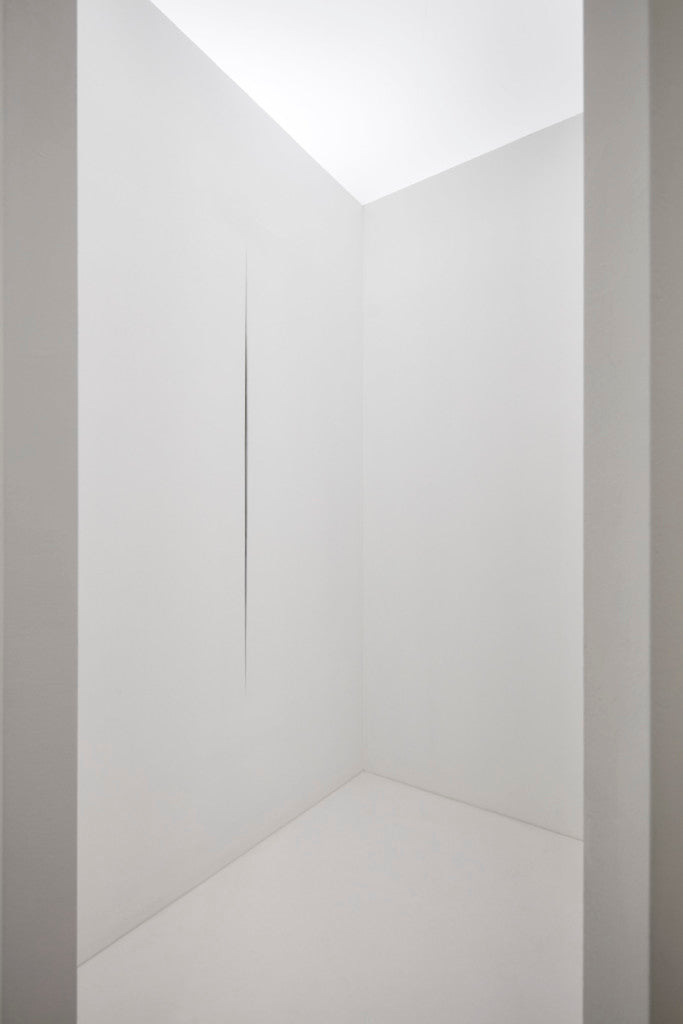
Lucio Fontana
Related Posts

Camille Claudel: la grande artista che la storia ha dimenticato.
Siamo abituati a pensare alla storia dell'arte come a una galleria ordinata, una sequenza di capolavori e grandi nomi fissati una volta per tutte. In realtà è un racconto molto più mobile e parziale: una storia fatta tanto di consacrazioni quanto di dimenticanze, esclusioni e riscoperte. Per ogni nome che attraversa i secoli ce ne sono decine scivolati nell'ombra, non perché privi di talento, ma perché il contesto non era pronto a vederli. Camille Claudel è uno di questi casi, anzi, forse il più emblematico. Camille Claudel, un talento rimasto nell'ombra Cresciuta nella provincia francese di fine Ottocento, Camille manifesta fin da ragazzina un'ossessione per la creta e impone alla famiglia un trasferimento a Parigi pur di studiare. È una scelta quasi inconcepibile in un'epoca in cui l'Académie des Beaux-Arts era preclusa alle donne e la scultura, fatta di forza fisica, fonderie e committenze pubbliche, era considerata mestiere maschile. Diventare una scultrice francese affermata significava combattere contro la materia e contro il pregiudizio insieme. Camille ci riesce, con un talento che si impone da sé. Eppure, per gran parte del Novecento, il suo nome è sopravvissuto soltanto come nota a margine nella biografia di un uomo più celebre. Non è stato il talento a mancare: è mancato il contesto disposto a riconoscerlo. Perché alcuni artisti vengono dimenticati? Il caso di Camille Claudel ci costringe a una domanda scomoda: chi decide cosa entra nella storia dell'arte? La risposta, spesso, non ha a che fare con la qualità delle opere, ma con le narrazioni costruite attorno agli artisti. Il riconoscimento dipende da chi scrive i cataloghi, da chi possiede le gallerie, da quali storie risultano più comode da raccontare. Il rapporto tra Camille Claudel e Rodin è esemplare. Per decenni è stato incasellato in uno schema rassicurante: lei la musa, lui il genio; lei l'allieva, lui il maestro. Una cornice che cancellava la realtà: Camille era una scultrice già formata, con una visione propria, e diversi studiosi riconoscono oggi la sua mano in dettagli di opere attribuite interamente a Rodin. Essere donna, essere legata sentimentalmente a un artista più potente, finire poi ai margini della vita pubblica: ognuno di questi elementi ha pesato sull'oblio più del valore reale del suo lavoro. È così che funziona il canone, e Camille fa parte di quelle artiste dimenticate non per caso, ma per meccanismo. Le opere che hanno restituito voce a Camille Claudel A parlare per lei, alla fine, sono rimaste le sculture. In La Valse, due corpi avvinghiati nel movimento di un valzer sembrano sul punto di cadere e insieme di sollevarsi: la danza diventa metafora dell'abbandono amoroso, con una sensualità trattenuta che all'epoca apparve scandalosa. In Sakountala, poi rielaborata nel marmo come L'Abbandono, l'incontro tra due amanti si fa gesto di tenerezza assoluta, restituito nella pietra con una dolcezza rara. L'Âge mûr, infine, è la sua opera più autobiografica e straziante: un uomo trascinato via da una figura matura mentre una giovane donna, in ginocchio, tende le braccia nel vuoto. Sono proprio le opere di Camille Claudel, con la loro tensione psicologica e la loro modernità, ad aver reso indifendibile il silenzio che le era stato imposto. La riscoperta di Camille Claudel e la revisione della storia dell'arte La rivalutazione arriva tardi. Dopo la rottura con Rodin, Camille viene internata in un manicomio, dove trascorrerà trent'anni fino alla morte, dimenticata. È solo a partire dagli anni Ottanta che mostre, studi critici e un film di grande successo riportano la sua figura al centro dell'attenzione. Questa riscoperta non riguarda soltanto lei. È la prova che il canone non è immutabile: può essere corretto, ampliato, riscritto. Camille Claudel diventa così un simbolo, accanto a tanti altri artisti riscoperti che la critica ha riportato alla luce dopo decenni di rimozione. Un segnale che la storia dell'arte è un racconto in continua revisione, e che il posto delle donne nell'arte è ancora oggetto di una riscrittura necessaria. La parabola di Camille Claudel insegna che la grandezza, prima o poi, trova la strada per tornare alla luce ma anche che quel ritorno non è mai scontato. Se il canone ha potuto sbagliare con lei, allora vale la pena chiedersi quali talenti, oggi, stiamo lasciando nell'ombra senza accorgercene. Ogni generazione è chiamata a interrogarsi sugli artisti che non sta ancora vedendo. Perché la storia dell'arte non è un elenco chiuso: è un racconto vivo, che continuiamo a scrivere.
Learn more
Oltre la Zuppa Campbell: La Rivoluzione della Pop Art Italiana
Quando pensi alla Pop Art, la tua mente vola subito a New York. Visualizzi i barattoli di zuppa di Andy Warhol, i fumetti giganti di Roy Lichtenstein e il boom economico americano degli anni Sessanta. Ma se ti dicessimo che, in quegli stessi anni, l'Italia rispondeva con una Pop Art radicalmente diversa, più colta, ironica e viscerale? La Pop Art italiana non è stata una semplice copia di quella americana. È stata una risposta autonoma e straordinaria al cambiamento della società, capace di fondere cultura di massa, storia e tradizione artistica in un linguaggio unico. Ecco i protagonisti che l'hanno resa inconfondibile. Mimmo Rotella: l'arte dello strappo urbano Prima ancora che la Pop Art americana invadesse l'Europa, in Italia un artista calabrese inventava un linguaggio rivoluzionario: il décollage. Parliamo di Mimmo Rotella. Mentre gli americani dipingevano i prodotti commerciali dei supermercati, Rotella percorreva le strade di Roma di notte e strappava manifesti pubblicitari e cinematografici direttamente dai muri. Riportati in studio, questi frammenti di carta venivano incollati sulla tela e ulteriormente lacerati, dando vita a composizioni di straordinaria forza espressiva. Nelle sue opere, i grandi miti di Hollywood come Marilyn Monroe, così come marchi iconici come Pepsi, emergono sfregiati, vissuti e trasformati in immagini senza tempo. Roma 1960: Piazza del Popolo diventa il centro del mondo Negli stessi anni, un gruppo di giovani artisti rivoluzionari si ritrova regolarmente ai tavolini del Caffè Rosati, a Roma, dando vita a quella che sarà conosciuta come la Scuola di Piazza del Popolo. A differenza del distacco ironico degli artisti americani, questi protagonisti utilizzano i simboli della modernità per analizzarli, reinterpretarli e metterli in discussione. Mario Schifano Schifano prende i loghi della Coca-Cola e della Esso e li svuota del loro significato commerciale, trasformandoli in pittura vibrante, gestuale ed emotiva. Tano Festa Invece di rappresentare merci e prodotti di consumo, Tano Festa isola e rielabora dettagli dei grandi capolavori del Rinascimento, trattando la storia dell'arte italiana come un nuovo immaginario popolare. Franco Angeli Nelle sue opere compaiono simboli del potere e della propaganda, come aquile romane, stelle e lupi capitolini, utilizzati per riflettere sulla storia antica e contemporanea e sul loro impatto nella memoria collettiva. Giosetta Fioroni Unica donna tra i protagonisti della Pop Art romana, Giosetta Fioroni porta al centro della scena lo sguardo femminile. Attraverso i suoi celebri "argenti", isola volti, immagini cinematografiche e frammenti della cultura visiva contemporanea, creando opere poetiche e immediatamente riconoscibili. Dai miti di ieri al neon di oggi: Marco Lodola L'anima della Pop Art italiana non si è fermata agli anni Sessanta. Al contrario, ha continuato a evolversi e a dialogare con il presente. Tra gli artisti che ne hanno raccolto l'eredità, Marco Lodola occupa un posto di primo piano. Fondatore negli anni Ottanta del movimento del Nuovo Futurismo, Lodola ha trasformato la luce in uno dei principali strumenti della propria ricerca artistica. Le sue celebri sculture luminose in perspex, neon e LED mettono in scena le grandi icone della cultura popolare: coppie innamorate sulla Vespa, ballerini, musicisti, pin-up e personaggi che sembrano usciti da un immaginario collettivo fatto di musica, cinema e design italiano. Le sue composizioni, essenziali e immediatamente riconoscibili, trasformano la luce stessa in un manifesto della cultura contemporanea. Perché la Pop Art italiana è unica? La forza della Pop Art italiana risiede nella sua straordinaria stratificazione culturale. L'Italia del boom economico era un Paese sospeso tra millenni di storia artistica e l'improvvisa invasione di televisioni, automobili, insegne luminose e cartelloni pubblicitari. Gli artisti italiani non potevano ignorare il peso della propria tradizione e, proprio per questo, hanno scelto di confrontarsi con essa. Il risultato è stato un linguaggio originale, capace di unire il consumo moderno alle icone della nostra cultura, il passato alla contemporaneità, la memoria alla comunicazione di massa. È proprio questo incontro tra Rinascimento e pubblicità, storia e consumismo, che rende la Pop Art italiana un fenomeno unico: meno celebrativo rispetto alla sua controparte americana, più stratificato, critico e profondamente legato all'identità culturale del Paese.
Learn more
Le mezze tinte - tra sfumatura e significato
Abbiamo parlato di bianco e nero, di rosso e blu, di verde e giallo. Ma il mondo reale, quello che abitiamo ogni giorno, quello che vediamo nel guardaroba, nelle strade, nelle vetrine, è fatto soprattutto di altro. È fatto di rosa cipria e di grigio perla, di arancio bruciato e di malva, di marrone terra e di viola vescovile. È fatto, insomma, di mezze tinte: quei colori che stanno tra i colori, che non hanno mai avuto lo stesso peso simbolico dei sei colori di base, ma che nella vita quotidiana occupano uno spazio enorme. Il rosa non è sempre esistito come colore autonomo. Per secoli, era semplicemente un rosso attenuato, una variante più chiara di qualcosa che aveva già un nome. Fu il Romanticismo, nel XVIII secolo, a dargli un'identità propria e, con essa, una simbologia precisa: la femminilità, la tenerezza, la dolcezza. Un simbolismo così potente da sopravvivere intatto fino a oggi, condensato nell'espressione comune di vedere la vita in rosa. Il suo lato meno lusinghiero è la leziosità, l'eccesso di sentimentalismo, quella qualità un po' vuota dell'acqua di rose. Eppure il rosa ha saputo reinventarsi: la bandiera arcobaleno, che lo include tra i colori della diversità e della tolleranza, gli ha aperto un capitolo completamente nuovo della sua storia. Se il rosa è un rosso addolcito, il grigio è qualcosa di più difficile da definire. Non è la mescolanza di due colori qualsiasi: è la zona di confine tra il bianco e il nero, e porta con sé tutta l'ambivalenza di quella posizione. Evoca la tristezza, la malinconia, il tedio. Eppure, per Goethe, era il colore più ricco di tutti, quello che contiene il maggior numero di sfumature possibili e che esalta tutti gli altri per contrasto. Il pittore della domenica, osservava, ama il grigio proprio perché autorizza le monocromie più delicate. E in effetti: fumo di Londra, grigio ardesia, grigio perla, ogni variante porta con sé un'atmosfera diversa, quasi un carattere. Le mezze tinte non sono portatrici di grandi simboli come il rosso o il blu. Hanno un significato prevalentemente estetico e forse è proprio per questo che ci parlano in modo più intimo, meno codificato, più personale. Il marrone è probabilmente il colore meno amato in assoluto tra tutti quelli che abbiamo a disposizione. Evoca la sporcizia, la povertà, il logorio e, non a caso, la parola italiana deriva dal nome del frutto della castagna, come se il colore non meritasse nemmeno un termine proprio. L'arancio ha avuto fortune alterne: nel Medioevo non esisteva nemmeno come categoria cromatica autonoma, prima dell'arrivo dei frutti che gli hanno dato il nome. Oggi campeggia sugli imballaggi dei medicinali e sulle pareti delle cucine, spesso con un effetto un po' aggressivo, tanto che molti lo considerano ormai simbolo di volgarità. La grande lezione che emerge da questo catalogo di sfumature è forse la più radicale dell'intera storia dei colori: un colore non esiste in natura in modo oggettivo. Esiste perché un occhio lo guarda, perché una cultura lo nomina, perché una società decide di attribuirgli un significato. Il fisico misura lunghezze d'onda. Ma il rosa confetto, il fumo di Londra, il beige, il turchese, questi non sono lunghezze d'onda: sono costruzioni umane, invenzioni collettive, categorie dello spirito. Infatti lo dice Goethe: "un colore rimane un colore solo per la durata di tempo in cui lo guardiamo" Siamo noi a fare i colori. E forse, una volta capito questo, possiamo permetterci di guardarli con un occhio più libero, con la competenza di chi conosce la loro storia e l'innocenza di chi la sa dimenticare al momento giusto.
Learn more